All Categories
Featured

Enhancing Corporate Output Via Custom GCC Models
Table of Contents
Short Nearshoring HistoryThe history of nearshoring can be traced back to the early 1990s, when the North American Free Trade Arrangement (NAFTA) was signed between the United States, Canada, and Mexico. This agreement created an open market zone in between the three countries, which made it easier for companies to contract out work to Mexico.
Companies in Western Europe began outsourcing work to nations in Eastern Europe, such as Poland, Romania, and Ukraine, which provided lower expenses and a highly competent workforce without language barriers and an ideal geographical area. Today, nearshoring is a popular alternative to offshoring, as it allows companies to benefit from lower labour costs while keeping closer cultural and linguistic ties to their home country.
Some popular nearshoring destinations consist of Mexico, Canada, Eastern Europe, and South America. Offshoring is a business design where a company outsources work to a foreign nation, typically to benefit from lower labour costs, access to specialized abilities, and other aspects such as favourable tax policies or regulative environments. The goal is to attain expense savings while increasing effectiveness and productivity.
manufacturing business began outsourcing work to Japan, which was emerging as a substantial industrial power at the time. This pattern continued into the 1970s and 1980s, as U.S. business began contracting out work to other nations in Asia, such as Taiwan, South Korea, and China. In the 1990s and 2000s, offshoring became a lot more popular, as the web and advances in interaction innovation made it simpler for business to contract out work to countries all over the world.
Detailed Report of Remote Capability Hub Evolution
Today, offshoring stays a popular choice for business in many markets, such as manufacturing, software advancement, and client service. It enables business to access lower labour expenses and specialized skills, while also offering opportunities for financial development in developing nations. Some popular offshoring destinations include India, China, the Philippines, and Western Europe.
Onshore, nearshore, and offshore are 3 various organization designs for outsourcing work to external partners. They vary based on the location of the partner, ease and speed of cooperation, expense, and facilities. Here are the essential distinctions: Onshore outsourcing includes partnering organization processes with a business in the same nation or neighboring town as the client company.
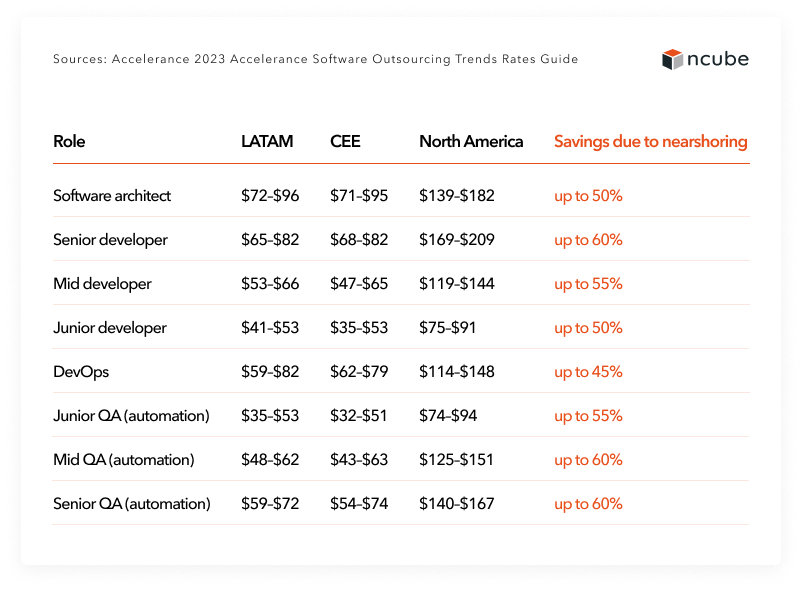
Onshore outsourcing usually has the highest cost due to the greater total cost and operational expenses in developed nations. Nearshore outsourcing has a moderate expense due to lower labour and functional costs in neighbouring countries. Offshore outsourcing has the most affordable expense due to significantly lower labour and functional costs in establishing countries.
Nearshore outsourcing may also have access to similar infrastructure, but offshore contracting out may have restrictions in terms of facilities and technology. Wish to see whatever in one place? Understanding about the various outsourcing alternatives is only the initial step; choosing the right outsourcing design for your job depends on your specific requirements and requirements.
When thinking about offshoring, nearshoring, or onshoring, each choice has its benefits and drawbacks. offshoring and nearshoring might be a great fit if you require affordable services or top-tier professional abilities in establishing countries. Alternatively, onshoring is suggested if you value in-person partnership and quick travel. It is also possible to combine contracting out designs, referred to as multisource or hybrid outsourcing, to enhance expenses and find the very best skill for your app development needs.
Key Corporate Expansion Strategies Across New Americas Markets
For example, you can employ an onshore team for high-level tactical work that needs in-person collaboration, a nearshore group for design work, and an offshore team for advancement work. By utilizing numerous outsourcing models, you can enhance your costs, find the very best skill where it matters, and make sure an effective outcome for your project.
Onshore outsourcing normally has the greatest cost due to the greater total expense and functional costs in developed nations. Nearshore outsourcing has a moderate cost due to lower labour and operational expenses in neighbouring countries. Offshore outsourcing has the lowest cost due to substantially lower labour and functional expenses in developing countries.
Nearshore outsourcing may also have access to similar facilities, but offshore outsourcing might have limitations in regards to infrastructure and innovation. Want to see everything in one location? Understanding about the different outsourcing options is only the primary step; picking the ideal outsourcing model for your job depends on your specific requirements and requirements.
Should Enterprises Move Toward Nearshore Hubs for 2026?
When considering offshoring, nearshoring, or onshoring, each choice has its advantages and downsides. For example, offshoring and nearshoring may be a good fit if you require affordable services or top-tier professional skills in developing countries. Onshoring is suggested if you value in-person partnership and fast travel. It is also possible to combine outsourcing models, referred to as multisource or hybrid outsourcing, to optimize costs and find the very best skill for your app development needs.
For instance, you can work with an onshore team for top-level strategic work that requires in-person partnership, a nearshore team for design work, and an offshore team for advancement work. By using multiple outsourcing models, you can optimize your expenses, discover the very best talent where it matters, and make sure a successful outcome for your task.

Latest Posts

How to Optimize GCC Operations in 2026
Key Benefits of Nearshore GCC Expansion in 2026

Navigating International Labor Laws for GCC Growth